
Neurodiversity in Podiatry: Small Changes That Can Make a Big Difference
 Neurodiversity is becoming better understood, but many people still don’t realise just how differently our brains can process the world around us.
It is estimated that up to one in five people may be neurodivergent, which means that within any workplace, family or healthcare setting, we are likely to meet people who experience the world differently.
Neurodiversity can include ADHD, autism, dyslexia, dyspraxia and Tourette’s syndrome, among others. Rather than viewing these differences simply as difficulties, neurodiversity recognises that different brains can bring different challenges, but also different strengths.
At Medipod Clinics, our podiatrist Natalie-Ann Jackson has been exploring this subject from both a professional and lived-experience perspective.
Neurodiversity in the Workplace
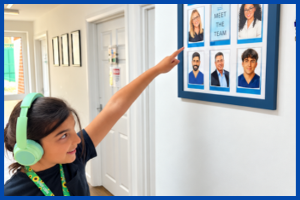 Being neurodivergent can bring some fantastic strengths to a clinical environment. These can include exceptional attention to detail, pattern recognition, empathy, creativity, problem-solving and the ability to become deeply focused on a particular task.
However, the very same person may find other aspects of the working day much more demanding.
Unexpected changes, interruptions, sensory overload, unclear instructions or a tightly packed diary can require significantly more mental energy. Over time, constantly trying to adapt can contribute to overwhelm, anxiety and burnout.
The encouraging part is that workplace adjustments don’t necessarily need to be complicated or expensive.
Simple changes can include:
- More predictable appointment structures and routines
- Protected time for completing clinical notes
- Clear, concise communication and time to process information
- Reducing unnecessary interruptions
- Access to a quieter environment when needed
- Allowing short periods to decompress during a demanding clinical day
These adjustments aren’t about lowering professional standards. In fact, they can help people perform at their best.
What About Our Patients?
Understanding neurodiversity is equally important when caring for patients.
Something that seems routine to a healthcare professional may feel completely different to someone with sensory sensitivities, ADHD or autism.
Imagine attending a podiatry appointment and being faced with an unfamiliar treatment chair, bright lights, the sound and vibration of a drill, someone touching your feet and several instructions being given at once.
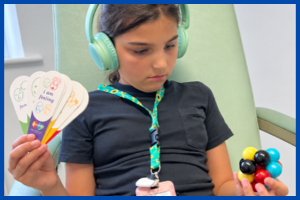 For some people, that’s a lot for the brain to process.
Small adaptations can make the experience considerably easier. We can explain what is going to happen before starting treatment, allow additional processing time, offer quieter appointments where possible and understand that a patient may avoid eye contact, fidget or need a break.
Written information after the appointment can also be useful, particularly when lots of information has been discussed.
Treatment plans may sometimes need adapting too. Sensory preferences can affect whether someone can tolerate a particular cream, dressing, exercise or treatment. Finding an alternative that the patient will actually use can be far more valuable than insisting on the theoretically “perfect” option.
Different Doesn’t Mean Less Capable
Perhaps one of the most important messages from Natalie’s work is that neurodiversity shouldn’t automatically be viewed as a disadvantage.
A neurodivergent clinician may approach a problem differently, notice something somebody else has missed or communicate particularly well with a patient who has previously struggled in healthcare environments.
The goal isn’t to treat everyone identically.
It’s to recognise that people sometimes need different things to achieve the same opportunity to succeed.
Taking the Conversation to the Wider Podiatry Profession
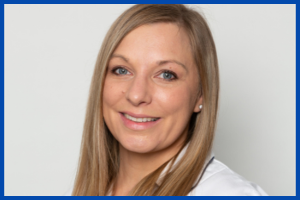 We are delighted that Natalie will be taking this important work beyond Medipod Clinics.
In November, Natalie-Ann will be presenting her work on neurodiversity at the College of Podiatry conference in Birmingham, sharing her lived experience alongside practical strategies that can help make podiatry workplaces and clinical environments more inclusive.
Her work explores how relatively small changes can support neurodivergent clinicians while also improving the experience of neurodivergent patients.
We hope that by sharing these experiences and ideas with the wider profession, it can encourage more conversations about neurodiversity and how podiatry can become even more inclusive.
Supporting You at Medipod Clinics
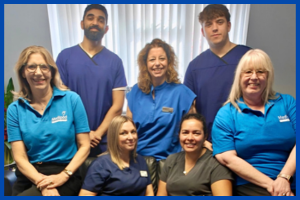 At Medipod Clinics, we understand that every patient is different, and that includes how we communicate, process information and experience treatment.
If you or someone you care for is neurodivergent, or simply finds healthcare appointments overwhelming, please let us know. Whether you need a little more time, clearer explanations, a quieter environment or would simply like us to talk you through what to expect, our team will always do our best to make your visit as comfortable as possible.
Small adjustments can make a big difference, and sometimes the most important thing we can do is simply ask:
“What would make your appointment easier for you?”
If you would like to discuss your needs before visiting us, please contact our friendly team on 01455 246100, or book an appointment online.
Medipod Clinics
45 Rugby Road, Hinckley, LE10 0QA
📞 01455 246100
Helping people fall in love with their feet again. 👣
Thank you for reading this month’s blog: Neurodiversity in Podiatry: Small Changes That Can Make a Big Difference.
Take care,
Faye Vogiatzoglou
Clinical Director, Medipod Clinics
November 2026 Blog
