
Diabetes & Your Feet: The Warning Signs You Shouldn’t Ignore
 Diabetes can affect many parts of the body, but your feet deserve particular attention.
Over time, raised blood glucose levels can damage the nerves and blood vessels supplying the feet. This can reduce sensation, affect circulation and make seemingly minor problems, such as a blister or small cut, much more significant.
The tricky part? You may not always feel that something is wrong.
Could You Have Diabetes Without Knowing?
 Type 2 diabetes can develop gradually, and some people have few or no obvious symptoms.
Symptoms that may occur include:
- Feeling unusually thirsty
- Passing urine more frequently, particularly at night
- Feeling tired
- Unexplained weight loss
- Blurred vision
- Cuts or wounds taking longer to heal
- Recurrent infections
If you are experiencing symptoms that concern you, speak to your GP rather than trying to diagnose diabetes yourself.
What Does Diabetes Have to Do With Your Feet?
 Two of the main concerns are nerve damage (peripheral neuropathy) and reduced circulation.
Peripheral neuropathy can cause tingling, burning, pins and needles, numbness or loss of sensation. In some people, this means an injury can develop without causing the pain that would normally alert them to it.
Reduced blood supply can also make it more difficult for damaged skin to heal.
Put the two together and a small blister, crack, corn or cut can potentially become a much bigger problem.
Warning Signs in Your Feet
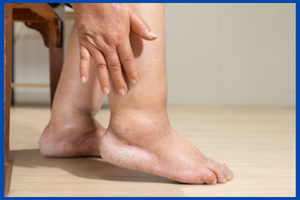 If you have diabetes, don’t ignore changes such as:
- Numbness or reduced sensation
- Tingling, burning or pins and needles
- Unexplained foot pain
- Changes in skin colour or temperature
- Swelling
- Cramp in the calves when walking
- Very dry or cracked skin
- Blisters, cuts or sores
- Wounds that are slow to heal
- Changes in the shape of the foot
- Corns or areas of increased pressure
One particularly important warning sign is a foot that suddenly becomes red, hot and swollen, especially in someone with neuropathy. This requires urgent assessment.
Why Regular Diabetic Foot Checks Matter
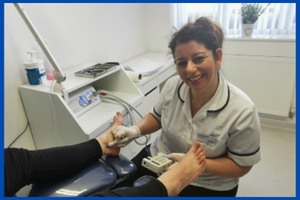 Prevention is always preferable to treating a problem once it has become serious.
A diabetic foot assessment can include checking the skin and nails, looking for areas of pressure or injury, assessing sensation and examining the circulation to the feet.
At Medipod Clinics, our podiatrists can carry out a neurovascular assessment, including assessment of sensation and circulation and the use of a Doppler where appropriate.
It isn’t simply about treating hard skin or cutting toenails. It is about identifying potential problems early and helping you understand how to protect your feet.
Remember that your podiatry appointments do not replace your NHS diabetes annual review and foot screening, so make sure you attend these when invited.
Five Simple Things You Can Do Today
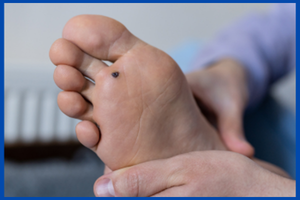 Check your feet every day, including between your toes and underneath your feet. Wear well-fitting footwear and check inside your shoes before putting them on. Avoid walking barefoot if you have reduced sensation. Don’t attempt to cut out corns or use blades on hard skin yourself. Most importantly, seek professional advice promptly if you notice a new wound, blister, colour change, swelling or other unexplained change.
Are Your Habits Haunting Your Health?
This October we’re taking the conversation beyond feet.
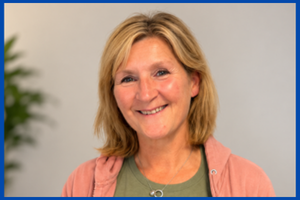 Join Health Educator Alison Preston at Medipod Clinics on 31st October at 10:30am for our friendly health session:
“Are Your Habits Haunting Your Health?”
We’ll be talking about diabetes, blood sugar and the everyday lifestyle habits that can influence your overall health.
No tricks, just practical information to help you better understand your health.
Book Your Place
Spaces for the workshop are limited, so please book in advance.
📞 Call Medipod Clinics on 01455 246100
And if you have diabetes and are concerned about your feet, don’t wait for a problem to become painful before having them checked.
Thank you for reading this month’s blog: Diabetes & Your Feet: The Warning Signs You Shouldn’t Ignore.
Take care,
Faye Vogiatzoglou
Clinical Director, Medipod Clinics
October 2026 Blog
