
Why Heels Crack in Winter (and How to Stop It)
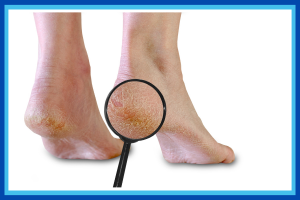 If your heels feel rough, tight, or start splitting as soon as winter arrives, you’re not alone. Cold weather is one of the most common triggers for cracked heels, and it isn’t just a cosmetic concern. Left untreated, cracks can deepen, become painful, and increase the risk of infection.
Why winter is so hard on your heels
During winter, the air contains less moisture, and indoor heating dries it out even further. This causes the skin to lose hydration faster than it can replace it. The skin on your heels is naturally thicker and under constant pressure from walking, standing, and footwear. When that skin becomes dry and inflexible, it can’t stretch properly, so it splits.
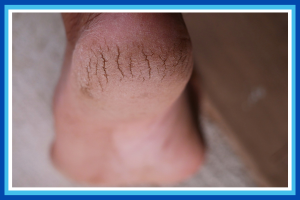 Wearing open-backed slippers, walking barefoot at home, or relying on light cosmetic foot creams often makes the problem worse. These habits fail to address the underlying dryness and hard skin that cause cracking in the first place.
How urea creams work
Urea is a substance naturally found in healthy skin. In podiatry, urea-based creams are used because they work in two keyways:
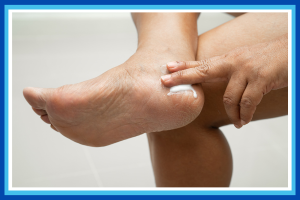
- Hydration: Urea attracts and locks moisture into the skin
- Softening: It gently breaks down hard, thickened skin so hydration can penetrate more deeply
This means urea-based creams don’t just sit on the surface. They actively improve skin flexibility, reduce hard skin build-up, and help prevent cracks from forming or worsening. With regular use, heels become smoother, more comfortable, and more resilient.
Why clinic-recommended creams make a difference
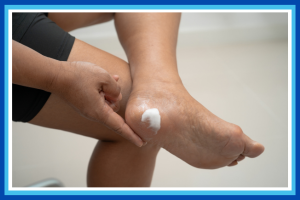 At the clinic, we recommend medical-grade urea-based creams, including products from the Gehwol range, because they are specifically formulated for foot skin rather than general body use.
Gehwol creams combine urea with nourishing oils and protective ingredients that help to:
- Restore the skin’s natural barrier
- Improve comfort when walking
- Reduce recurrence of hard skin and cracking
- Support long-term skin health, not just short-term softness
Patients who use these creams consistently often notice fewer cracks, less discomfort, and a reduced need for frequent hard skin removal.
Consistency is the key
Applying a urea-based cream occasionally won’t undo months of dryness. Daily use, particularly after showering and before bed, delivers the best results. Think of it as maintenance rather than repair.
If your heels are already painful, deeply cracked, or bleeding, professional treatment combined with the right home care is the safest and most effective approach.
For personalised advice or to book a consultation, please call us on 01455 246100.
Our team would be delighted to help you keep your feet healthy, comfortable, and well cared for throughout the winter months.
Thank you for reading this month’s blog – Why Heels Crack in Winter (and How to Stop It).
Take care,
Faye Vogiatzoglou
Clinical Director, Medipod Clinics
